AIMAIM
Events

June 30, 2025 · Co-located with IEEE ICME 2025

Artificial Intelligence for Music

A one-day workshop at IEEE ICME 2025 on AI applied to music, with invited talks, accepted papers, and the winners session of the 2025 Music Transcription Competition.

Workshop summary

This one-day workshop, co-located with IEEE ICME 2025, brings together researchers and practitioners working at the intersection of artificial intelligence, signal processing, and music. Topics span automatic music transcription, generative models for symbolic and audio music, music information retrieval, real-time interaction, and applications in performance and education.

A core part of the program is the winners' session for the 2025 Music Transcription Competition, in which student and research teams compete to build the most accurate transcription models for classical music.

Schedule

June 30, 2025

TimeSession
09:30 AMWelcome by Organizers: Yung-Hsiang Lu and Kristen Yeon-Ji Yun
09:35 AMKeynote Speech — Zhiyao Duan. Moderator: Kristen Yeon-Ji Yun
10:15 AMInvited Speech — Fatemeh Jamshidi. Moderator: Kristen Yeon-Ji Yun
10:50 AMBreak
11:00 AMInvited Speech — Gus Xia. Moderator: Emmanouil Benetos
11:30 AMInvited Speech — Geoffroy Peeters. Moderator: Emmanouil Benetos
12:00 PMInvited Speech — Emmanouil Benetos. Moderator: Zhiyao Duan
12:30 PMLunch Break
02:00 PMPaper Presentations. Moderator: Zhiyao Duan — full list under “Paper presentations” below.
03:30 PMPanel Discussion. Moderator: Gus Xia. Panelists: Geoffroy Peeters, Emmanouil Benetos, Zhiyao Duan, Ziyu Wang.
04:30 PMWinners of the Transcription Challenge. Moderator: Yung-Hsiang Lu — MIROS (Music Information Retrieval Osnabrück); YourMT3-YPTF-MoE-M (Sungkyun Chang, Simon Dixon, Emmanouil Benetos).
05:00 PMAdjourn

Topics

What we cover

  • AI-Driven Music Composition and Generation
  • AI in Music Practice and Performance
  • AI-based Music Recognition and Transcription
  • AI Applications in Sound Design
  • AI-Generated Videos to Accompany Music
  • AI-Generated Lyrics Based on Music
  • Legal or Ethical Implications of AI on Music
  • AI's Impacts on Musicians' Careers
  • AI Assisted Music Education
  • Business Opportunities of AI and Music
  • Music Datasets and Data Analysis

Invited speakers

Talks

Geoffroy Peeters

Geoffroy Peeters

Télécom Paris · S2A team

Self-Supervised Learning for Invariant and Equivariant representations

Geoffroy Peeters is full-professor in the (Laboratoire Traitement et Communication de l'Information) S2A team at Télécom Paris. He received his PhD in 2001 and Habilitation in 2013 from University Paris-VI on audio signal processing, data analysis and machine learning. Before joining Télécom Paris, he led research related to Music Information Retrieval at IRCAM (Institut de recherche et coordination acoustique/musique). His current research is on signal processing, machine learning, and deep learning applied to audio and music data analysis.
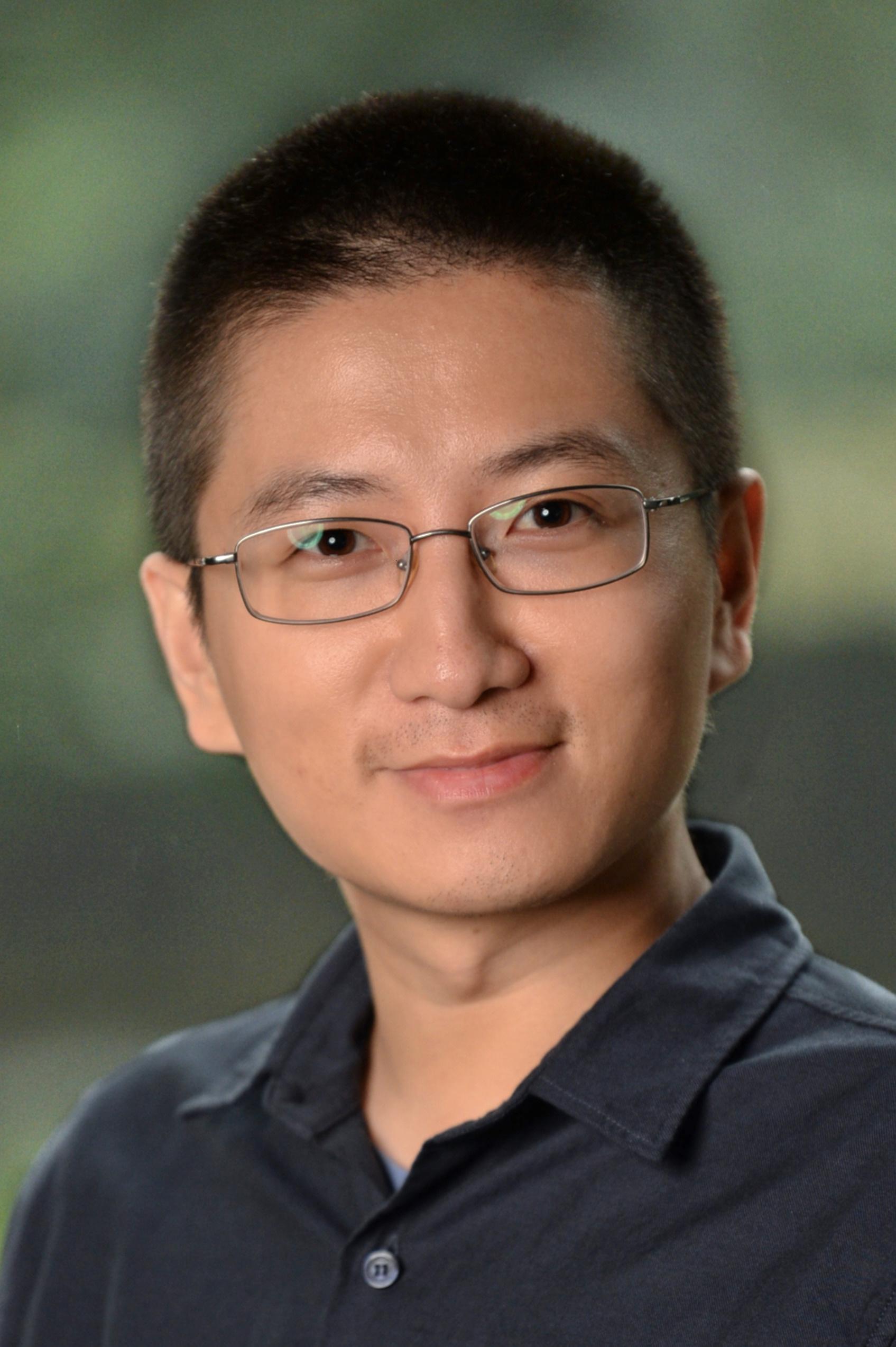
Zhiyao Duan

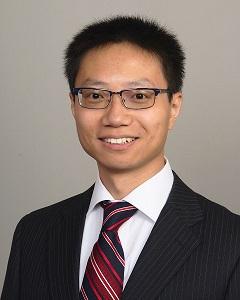
Zhiyao Duan

University of Rochester · ECE / CS / Data Science

Zhiyao Duan is an associate professor in Electrical and Computer Engineering, Computer Science, and Data Science at the University of Rochester, and co-founder of Violy, a company aiming to improve music education through AI. His research is in computer audition and its connections with computer vision, NLP, and AR/VR. He received best paper recognition at SMC 2017 and ISMIR 2017, and a CAREER award from NSF. He is a senior area editor of IEEE Signal Processing Letters, an associate editor for IEEE Open Journal of Signal Processing, and a guest editor for TISMIR. He is the President of ISMIR.

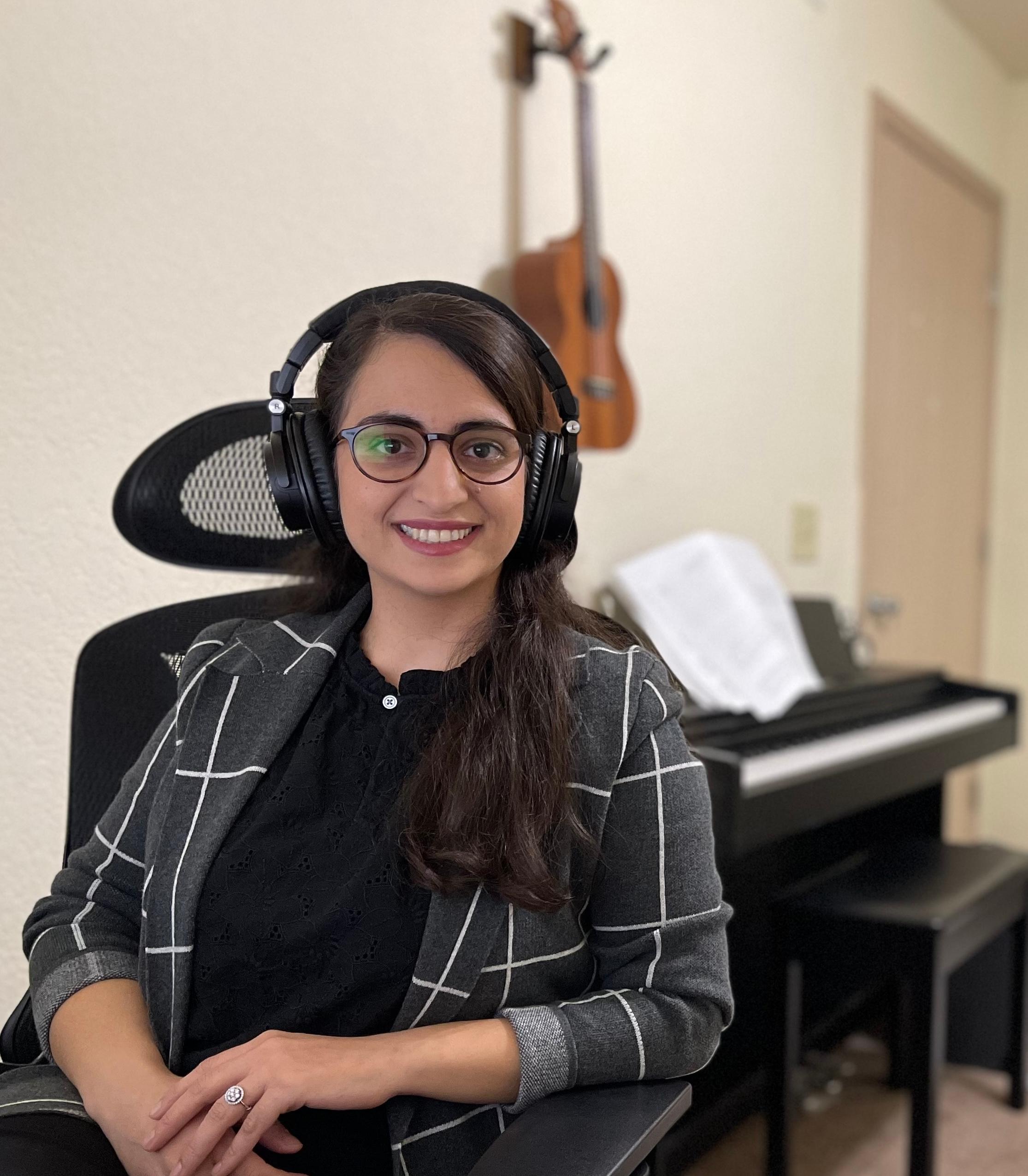
Fatemeh Jamshidi

Fatemeh Jamshidi

Cal Poly Pomona · Computer Science

Fatemeh Jamshidi is an Assistant Professor in the Department of Computer Science at Cal Poly Pomona. Her research spans artificial intelligence, computer science education, computer music, machine learning and deep learning in music, game AI, human–AI collaboration, and augmented and mixed reality. She has published in ACM SIGCSE, ISMIR, IEEE, and HCII. Fatemeh earned her PhD in Computer Science and Software Engineering and a master's in Music Education from Auburn University in 2024 and 2023, respectively. During her PhD she founded the Computing + Music programs, which have engaged hundreds of participants from underrepresented groups since 2018. From 2020 to 2023, she served as the Director of the Persian Music Ensemble at Auburn.

Gus Xia

Gus Xia

MBZUAI · Machine Learning

Gus Xia is an assistant professor of Machine Learning at the Mohamed bin Zayed University of Artificial Intelligence in Masdar City, Abu Dhabi. His research includes the design of interactive intelligent systems to extend human musical creation and expression. This research lies at the intersection of machine learning, human–computer interaction, robotics, and computer music. Representative works include interactive composition via style transfer, human–computer interactive performances, autonomous dancing robots, large-scale content-based music retrieval, haptic guidance for flute tutoring, and bio-music computing using slime mold.

Emmanouil Benetos

Emmanouil Benetos

Queen Mary University of London / Alan Turing Institute

Machine learning paradigms for music and audio understanding

Emmanouil Benetos is Reader in Machine Listening and Director of Research at the School of Electronic Engineering and Computer Science of Queen Mary University of London. Within Queen Mary, he is a member of the Centre for Digital Music and the Centre for Multimodal AI, is Deputy Director at the UKRI Centre for Doctoral Training in AI and Music (AIM), and co-leads the School's Machine Listening Lab. His main area of research is computational audio analysis — also referred to as machine listening or computer audition — with applications to music, urban, everyday, and nature sounds.

Call for papers

Submission information

Submission requirements

Submissions must follow the ICME 2025 submission requirements. Papers must be no longer than 6 pages including all text, figures, and references. The workshop follows ICME submission and adopts double-blind reviews — authors should not identify themselves in the submitted PDF files.

Work in progress is welcome. Authors are encouraged to include descriptions of their prototype implementations. Additionally, authors are encouraged to interact with workshop attendees by including posters or demonstrations at the end of the workshop. Conceptual designs without any evidence of practical implementation are discouraged.

Submission instructions

Follow the ICME 2025 author instructions ↗ and submit via the CMT Submission Portal ↗.

Important dates

  • Submission Deadline: April 1, 2025 (11:59 PM Pacific Time)
  • Notification of Acceptance: April 25, 2025
  • Final Version Due: May 15, 2025

Accepted papers are posted on the workshop website and IEEE Xplore.

Paper presentations

4 accepted papers

  1. Analysis of Improvised Jazz Melodies Using Harmonic Tags
    Carey Bunks (Queen Mary University of London); Simon Dixon (Queen Mary University of London); Bruno Di Giorgi (Apple)
  2. Exploiting Music Source Separation for Automatic Lyrics Transcription with Whisper
    Jaza Syed (Queen Mary University of London); Ivan Meresman Higgs (Queen Mary University of London); Ondřej Cífka (AudioShake); Mark Sandler (Queen Mary University of London)
  3. M6(GPT)3: Generating Multitrack Modifiable Multi-Minute MIDI Music from Text using Genetic Algorithms, Probabilistic Methods and GPT Models in any Progression and Time Signature
    Jakub Poćwiardowski (Warsaw University of Technology); Mateusz Modrzejewski (Warsaw University of Technology); Marek S. Tatara (Gdansk University of Technology)
  4. AI Music Artist Toolkit (AIMAT) — A Modular Environment for Experimenting with AI in Music
    Eric Browne (MTU); Michael Clemens (New Jersey Institute of Technology)

Organizers

Workshop chairs

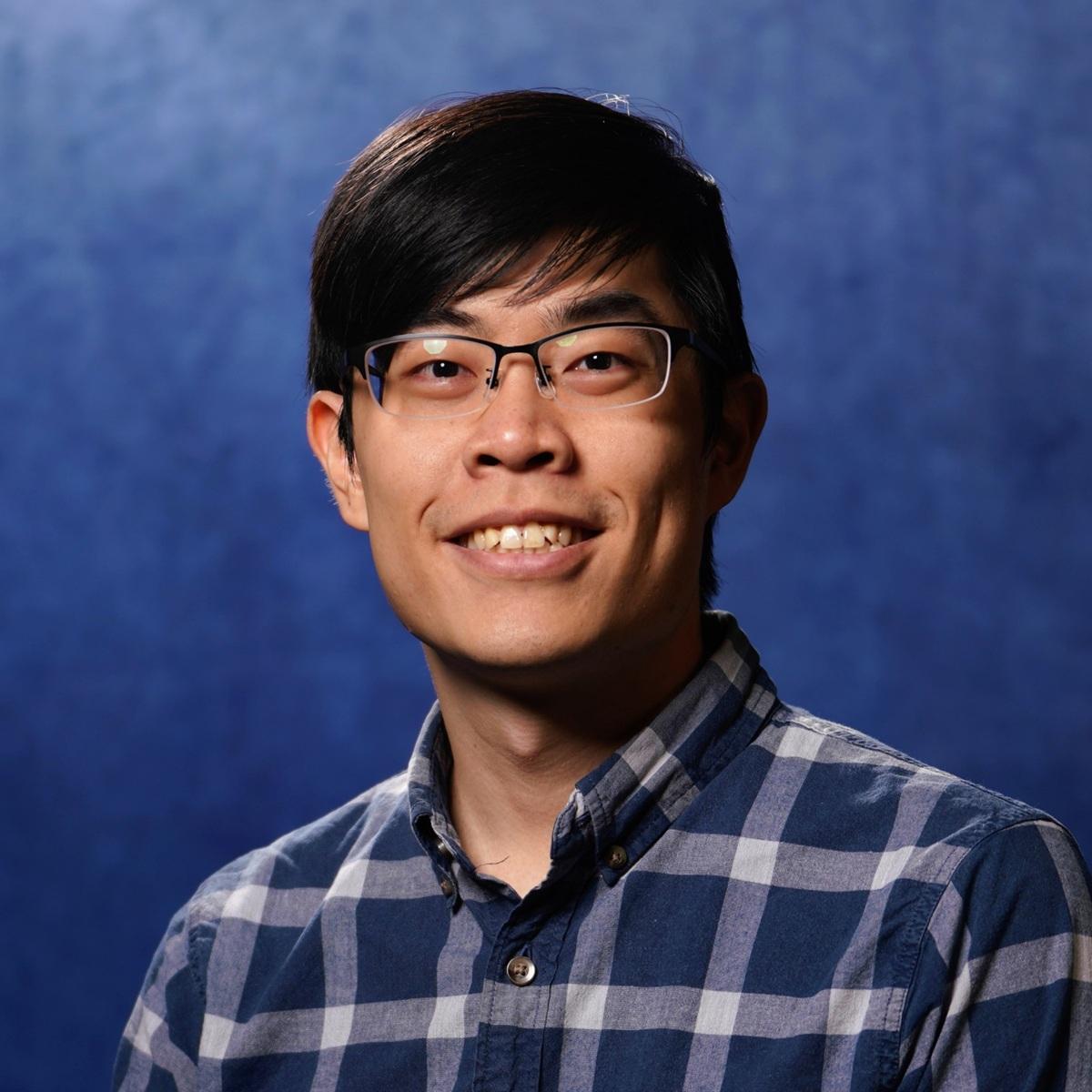
Yung-Hsiang Lu

Yung-Hsiang Lu

Purdue University · Electrical and Computer Engineering

Yung-Hsiang Lu is a professor in the Elmore Family School of Electrical and Computer Engineering at Purdue University. He is a fellow of the IEEE and a distinguished scientist of the ACM.

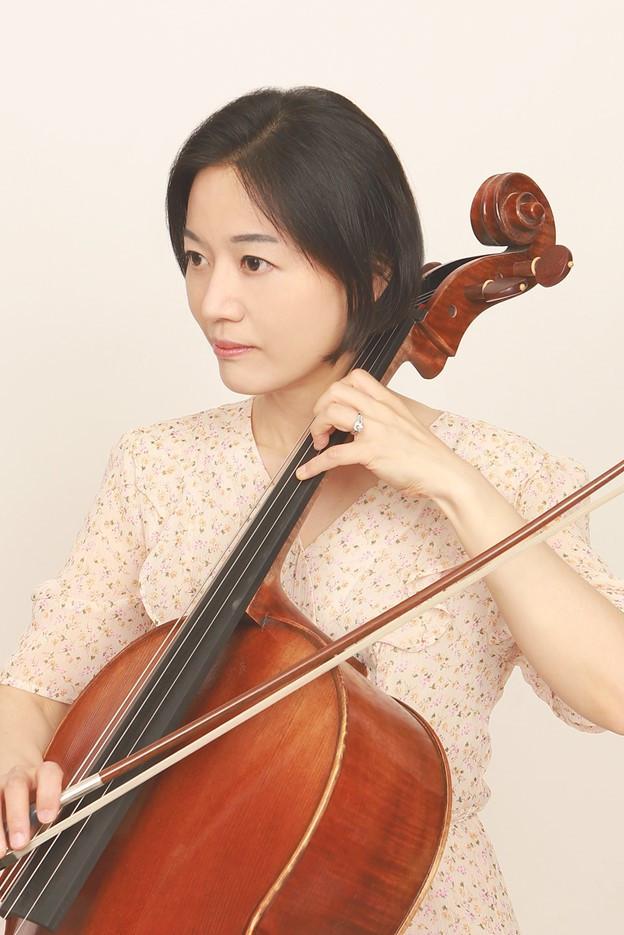
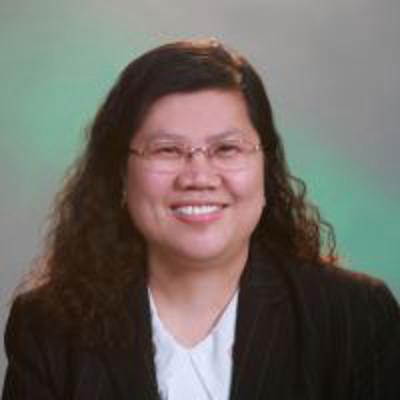
Kristen Yeon-Ji Yun

Kristen Yeon-Ji Yun

Purdue University · Music

Kristen Yeon-Ji Yun is a clinical associate professor in the Department of Music at the Patti and Rusty Rueff School of Design, Art, and Performance at Purdue University, and Principal Investigator of "Artificial Intelligence Technology for Future Music Performers" (NSF IIS 2326198).

GK

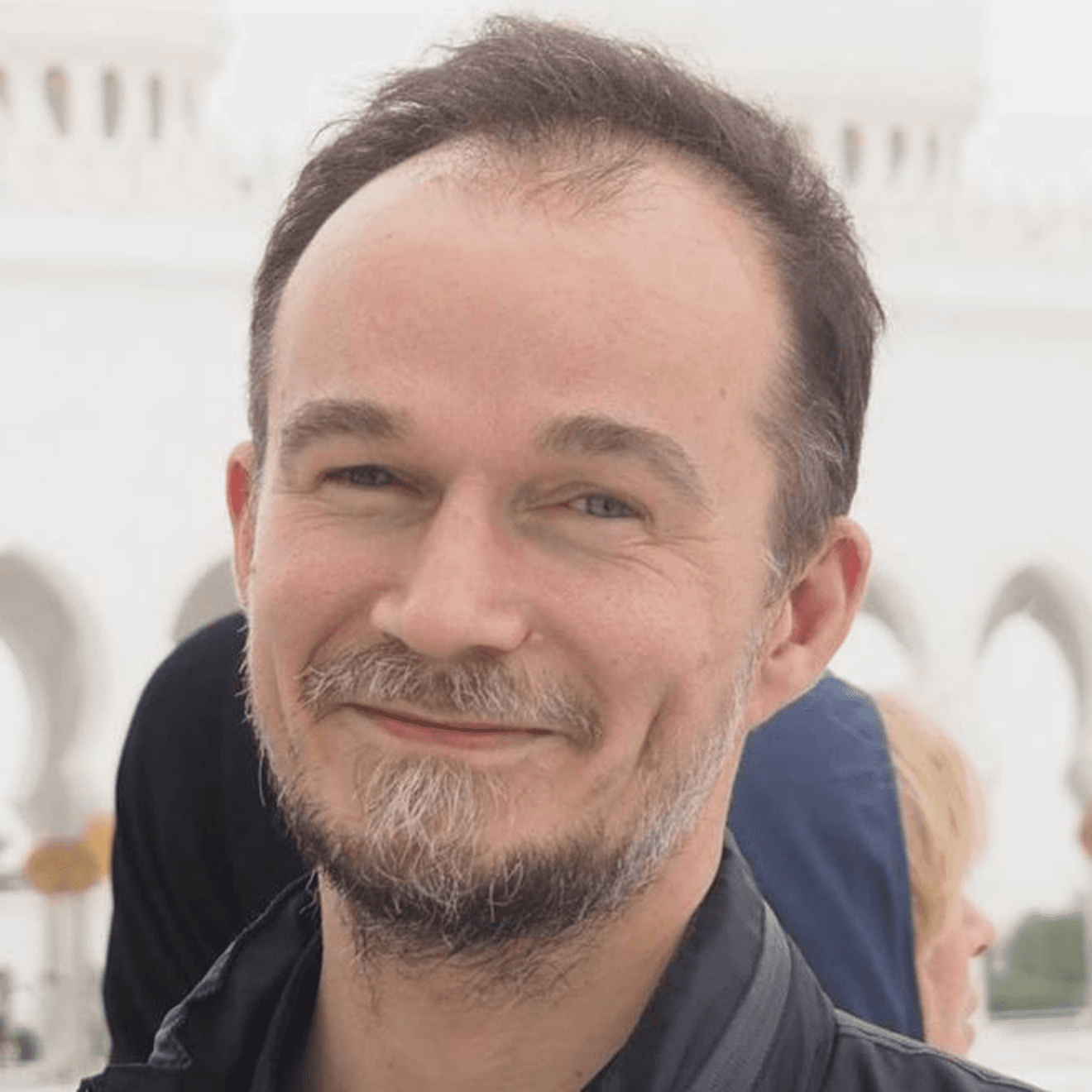
George K. Thiruvathukal

Loyola University Chicago · Computer Science

George K. Thiruvathukal is a professor and chairperson of Computer Science at Loyola University Chicago and a visiting computer scientist at Argonne National Laboratory.

Technical program committee

Reviewers and committee

CS

Charalampos Saitis

Queen Mary University of London

Lecturer in Digital Music Processing

Dr. Saitis is an assistant professor in digital music processing at Queen Mary University of London where he leads the Communication Acoustics Lab (COMMA) at the Centre for Digital Music (C4DM) and is a co-investigator in the UKRI CDT in AI and Music (2019–2028). Experienced leader in the intersecting fields of cognitive science, music informatics, and generative AI with applications in sonic creativity, recommender systems, and well-being.

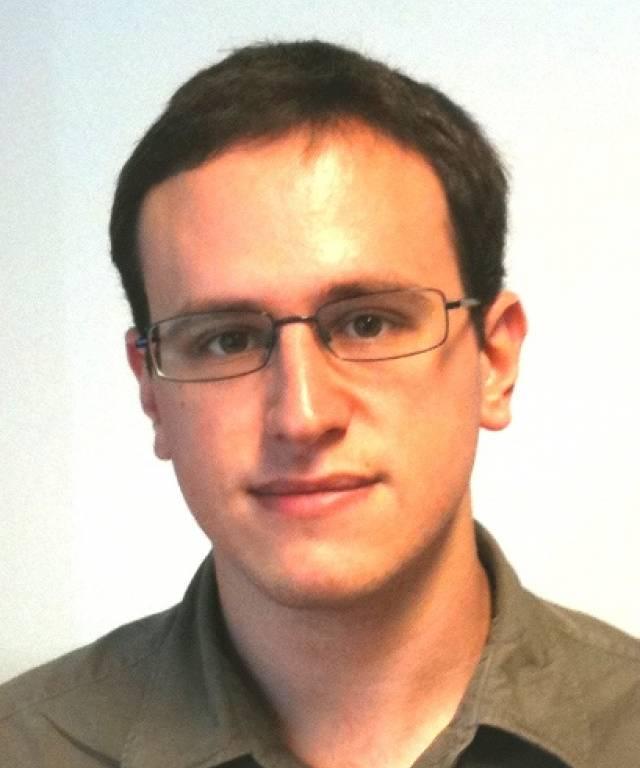
Hao-Wen (Herman) Dong

Hao-Wen (Herman) Dong

University of Michigan · Performing Arts Technology

Hao-Wen (Herman) Dong is an Assistant Professor in the Performing Arts Technology Department at the University of Michigan. Herman's research aims to empower music and audio creation with machine learning. He is broadly interested in music generation, audio synthesis, multimodal machine learning, and music information retrieval.

Mei-Ling Shyu

Mei-Ling Shyu

University of Missouri – Kansas City

Professor of Science and Engineering

Dr. Shyu is a professor of Electrical and Computer Engineering at the University of Missouri–Kansas City. Prior to UMKC she was the Associate Chair and Professor at the Department of Electrical and Computer Engineering at the University of Miami. She received her PhD from the School of Electrical and Computer Engineering and three master's degrees in Computer Science, Electrical Engineering, and Restaurant, Hotel, Institutional, and Tourism Management — all from Purdue University. Her research interests include data science, AI, machine learning, data mining, big data analytics, multimedia information systems, and semantic-based information management/fusion/retrieval.

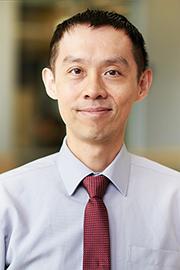
Wen-Huang Cheng

Wen-Huang Cheng

National Taiwan University

Distinguished Chair Professor, Department of Computer Science and Information Engineering

Dr. Cheng is a professor of Computer Science and Information Engineering at National Taiwan University and the founding director of the Artificial Intelligence and Multimedia (AIMM) Research Group. Before joining NTU he was a Distinguished Professor at the Institute of Electronics, National Yang Ming Chiao Tung University, and led the Multimedia Computing Research Group at the Research Center for Information Technology Innovation at Academia Sinica. He is a fellow of the IEEE and the Asia-Pacific Artificial Intelligence Association.